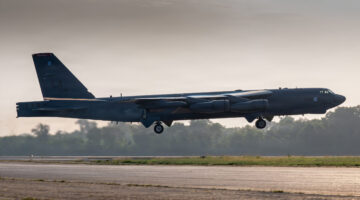
Key B-52 upgrades face cost, schedule risks: GAO
A new audit from the Government Accountability Office found concerns with the Air Force’s modernization of the B-52 Stratofortress, which is planned to fly through the middle of the century.
A new audit from the Government Accountability Office found concerns with the Air Force’s modernization of the B-52 Stratofortress, which is planned to fly through the middle of the century.
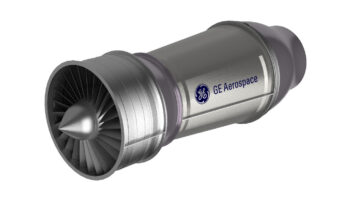
The two engine makers will advance designs to power medium thrust class drones, an Air Force spokesperson told Breaking Defense.

AI is reshaping the Army’s approach to cyber, electronic warfare and command and control. At TechNet Augusta 2026, leaders outlined how they’re turning emerging technology into capabilities for the battlefield.

“It’s a lot of money. Some of us watch that money very carefully,” said Rep. Clay Higgins.
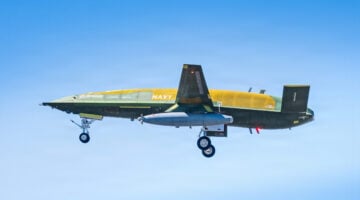
The aircraft took off from Boeing's facility at MidAmerica Airport in Mascoutah, Ill., for an approximately two-hour flight.

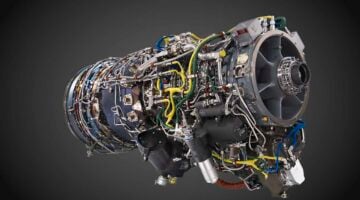
Rolls-Royce is advancing U.S. defense capabilities with its modern AE engine family, powering critical platforms like the MV-75 Future Long Range Assault Aircraft, MQ-25 Stingray and many others.
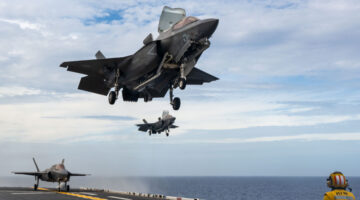
As aircraft shrink, threats expand, and technology accelerates, aircraft engines must iterate along with the threats.

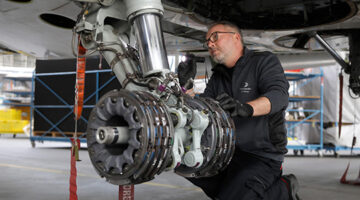
A commitment to long-term operational value.
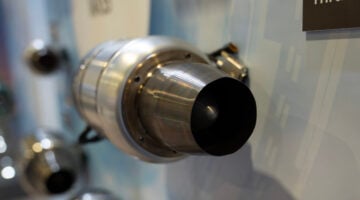
“This is certainly a growth market. It’s gonna take awhile to get there, but you could easily see hundreds of air vehicles built per year in this market sometime in the early 2030s,” Richard Aboulafia, managing director at AeroDynamic Advisory, told Breaking Defense.
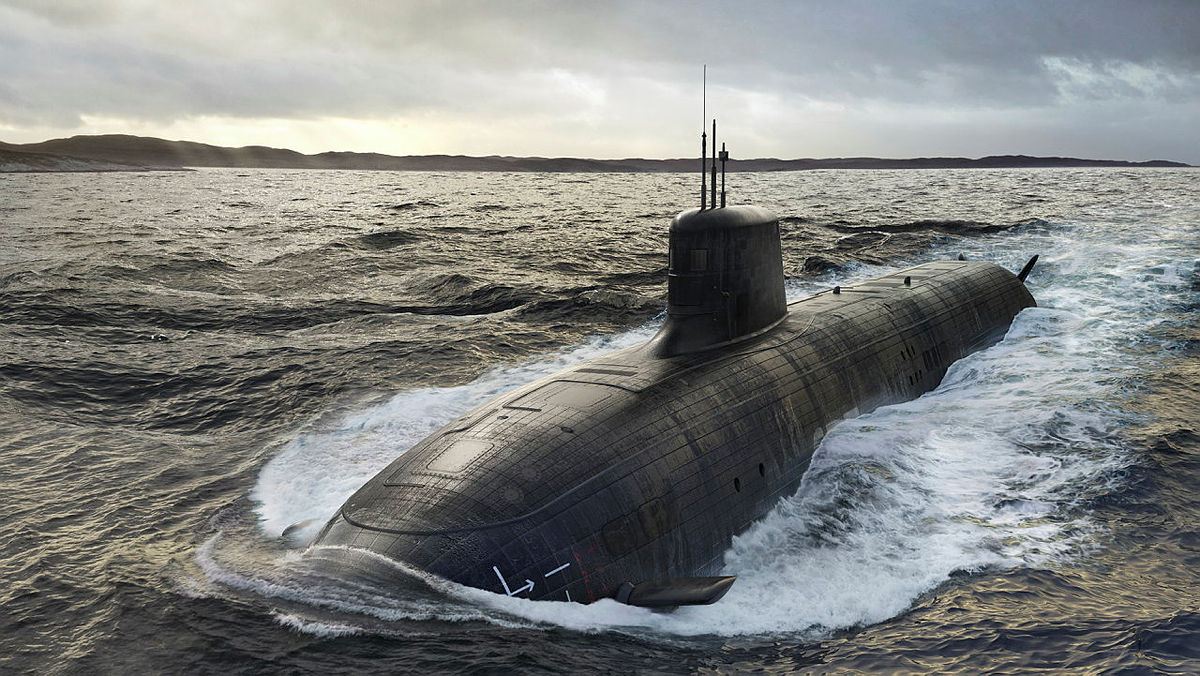
The investment comes as among the first in a bid to reach an ambition of manufacturing one SSN every 18 months, which are set to be delivered from the end of the 2030s.
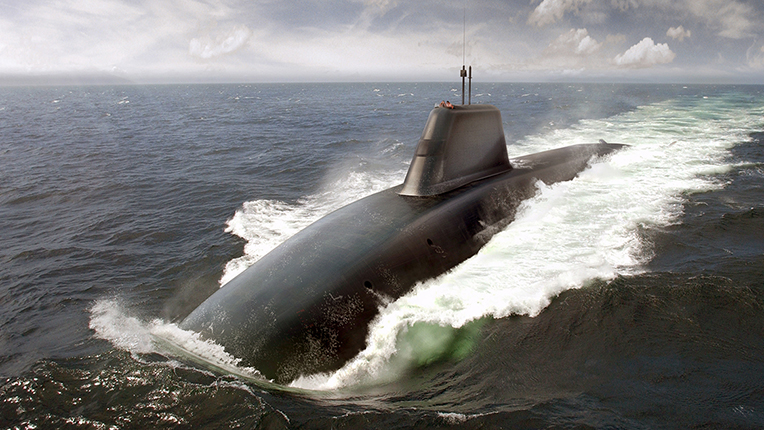
The new eight-year deal, dubbed by London in a statement today as a “Unity” contract, will enhance the UK’s continuous at sea deterrent (CASD) and strengthen the AUKUS trilateral partnership.

The program manager for the Future Long Range Attack Aircraft breaks down what the supply chain needs to be doing now for production.

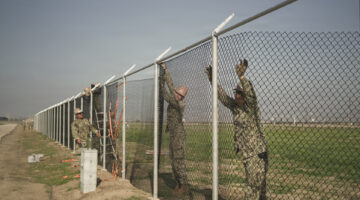
Traditional thinking about how to protect facilities must adapt to new threats such as drones or downstream attacks.

The company is expected to produce over 600 engines to breathe new life into the Air Force’s B-52 fleet, now expected to fly well into the 21st century.

“When you look at the 150-year history of Fairbanks Morse Defense, you will find a handful of distinctive moments that completely transformed this company. We believe [this] will become one of those moments,” George Whittier, CEO of Fairbanks Morse Defense, said in a statement.
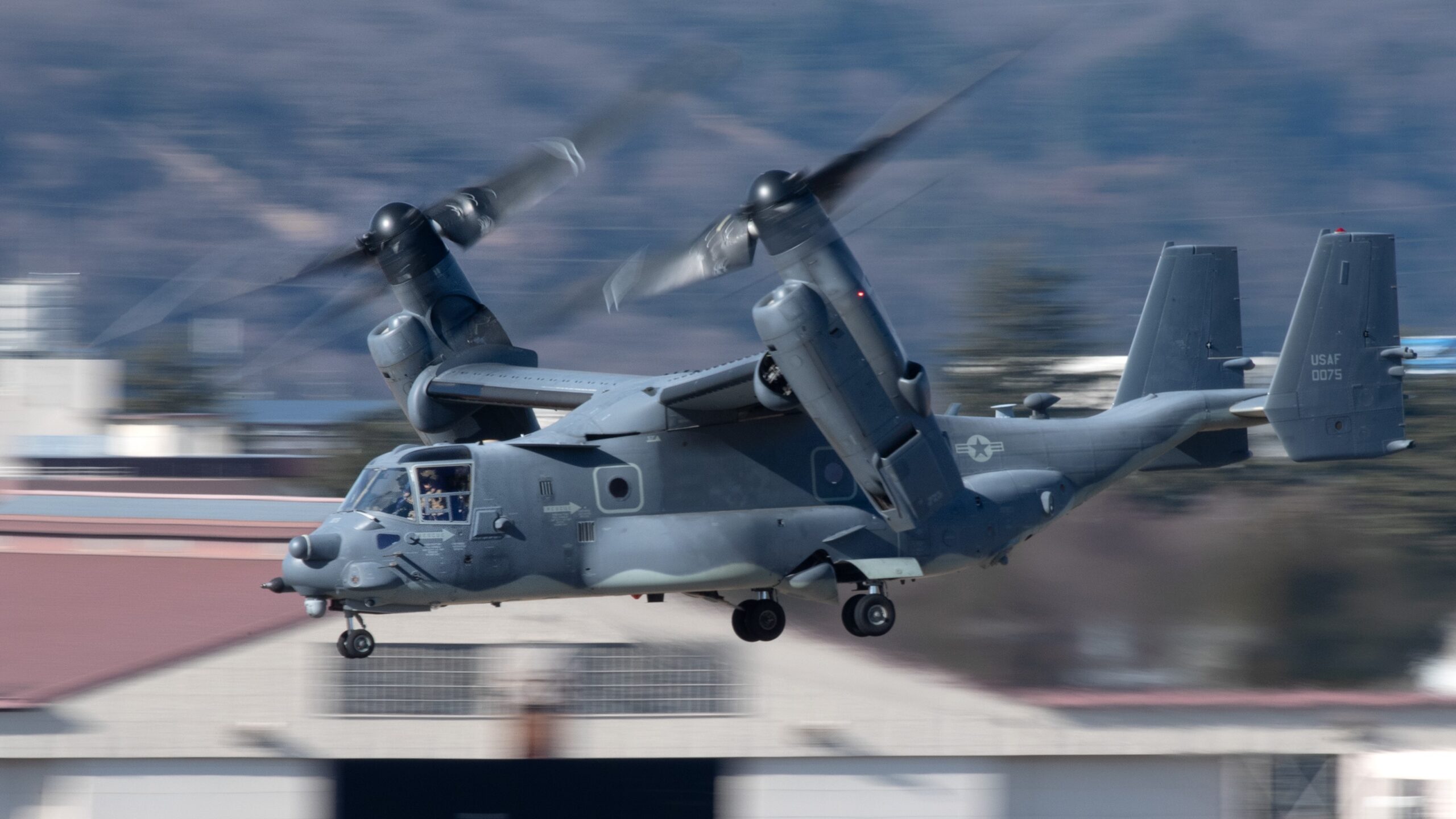
“I’ll assure you folks that we’re not going to let this matter drop,” House Oversight subcommittee chairman Glenn Grothman, R-Wisc., told families of victims who attended a congressional hearing today on the safety of the V-22 Osprey.

"We’re already making good progress on the design and development of the next generation submarine in the UK, where we have more than 1,000 people working on the SSN-AUKUS program and major infrastructure investment underway," BAE Systems CEO Charles Woodburn said.